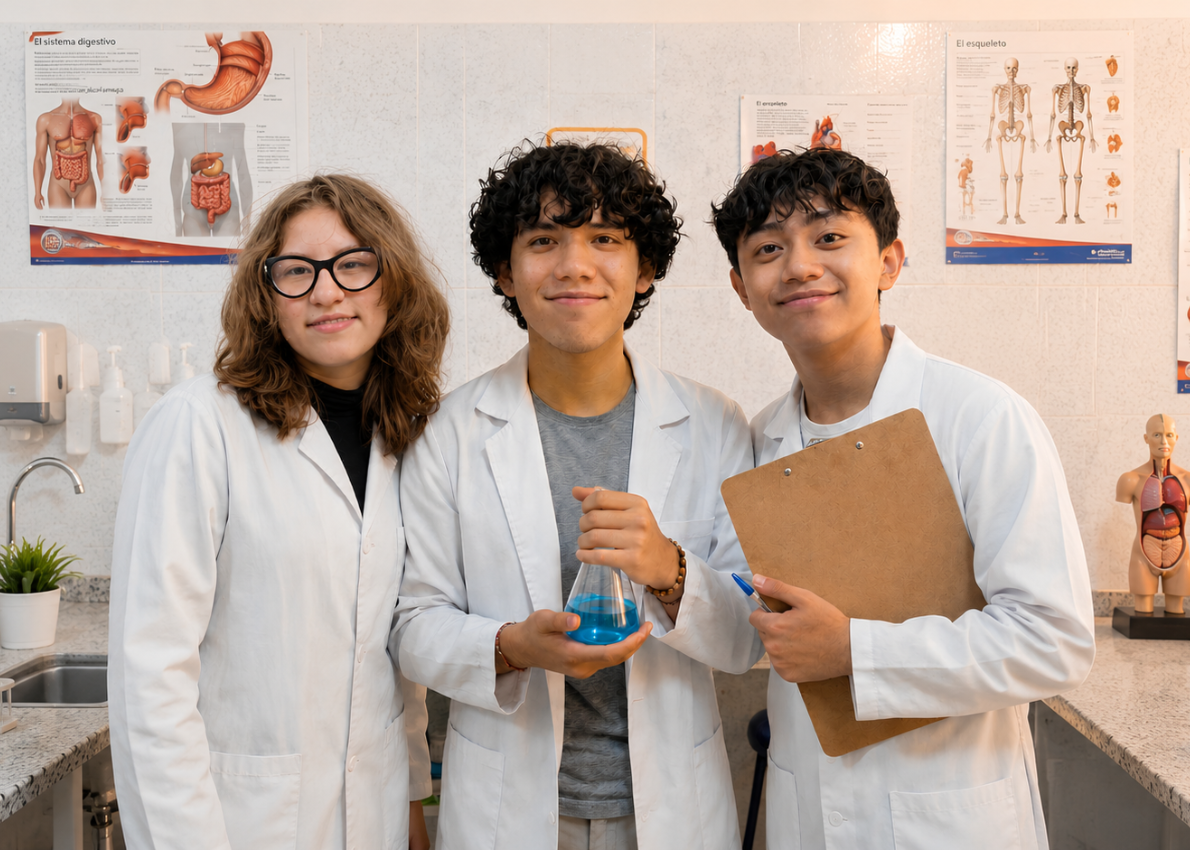
Phenomenon-Based Learning (PhBL) is an interdisciplinary methodological approach that places seeds (students) at the centre of the educational process. It fosters essential skills such as communication, critical thinking, creativity, autonomy, collaboration, and a global perspective. This model integrates the needs and interests of seeds, who, through active inquiry, confront real-world problems that do not necessarily stem from nature but emerge from social, historical, and cultural contexts.
This edition explores how the Renfort Up programme applies this methodology during the final stages of school education through a structured process that drives the creation of real-world solutions from a critical, interdisciplinary, and transformative lens.
What is Renfort Up?
Renfort Up is a methodology within the Pedagogía Escole® framework that combines research, education, creativity, and entrepreneurship. It is implemented with seeds from grades H and N across the Renfort School Network. Its aim is to develop research skills, identify problems within the seeds’ own context, and propose innovative solutions to real social challenges. It encourages seeds to ask complex questions and create solutions that have a positive impact on their environment.
The programme draws inspiration from methodologies such as the Feasible Project, Design Thinking, and Phenomenon-Based Learning, and is structured as a virtual, intensive mentoring experience.
Renfort Up’s research lines are organised into three major labs:
- CLePe (Culture, Letters and Thought): Focused on social sciences, literature, languages, and critical thinking.
- MEC (Modelling, Experimentation and Verification): Centred on exact sciences, natural sciences, and programming.
- ONDA (Creativity, Play, Movement): Encompassing arts education, physical activity, and interactive experience design
Each lab applies its own content and methodologies, guiding the seed through five sequential phases:
- Understand: A real need or problem is identified, data is collected, and relevant literature is reviewed.
Duration: 2 months
Deliverable: Research report - Ideate: A viable solution is sketched based on the prior research.
Duration: 2 months
Deliverable: Proposal design or outline - Advance: A functional prototype or initial model of the solution is created.
Duration: 3 months
Deliverable: Prototype and defence presentation - Verify: The prototype is tested with a control group, results are analysed, and findings are systematised.
Duration: 2 months
Deliverable: Evaluation report - Communicate: The results are presented in a Shark Tank-style format, showcasing the entire process.
Duration: 1 month
Deliverable: Final presentation and pitch
This journey not only ensures a deep understanding of the studied phenomenon but also equips the seeds with high-value research, communication, technological, and creative skills for today’s world.
First Semester 2025 Highlights
The true impact of Renfort Up cannot be measured solely in deliverables or well-crafted reports. Its real value lies in the transformation it brings to the seeds — in how they think, how they relate to global issues, and how confidently they present their solutions.
Figures (2025 – I):
- 4 selected to present at the Chamber of Commerce Project Fair.
- 10 improved through minor revisions, thereby strengthening their processes.
- 12 consolidated directly after outstanding defences and deep exploration of research lines.
It is crucial to showcase the most distinguished projects from this first edition of Renfort Up. These were chosen to represent the school at the Entrepreneurship Fair organised by the Bogotá Chamber of Commerce this coming November.
Featured Projects
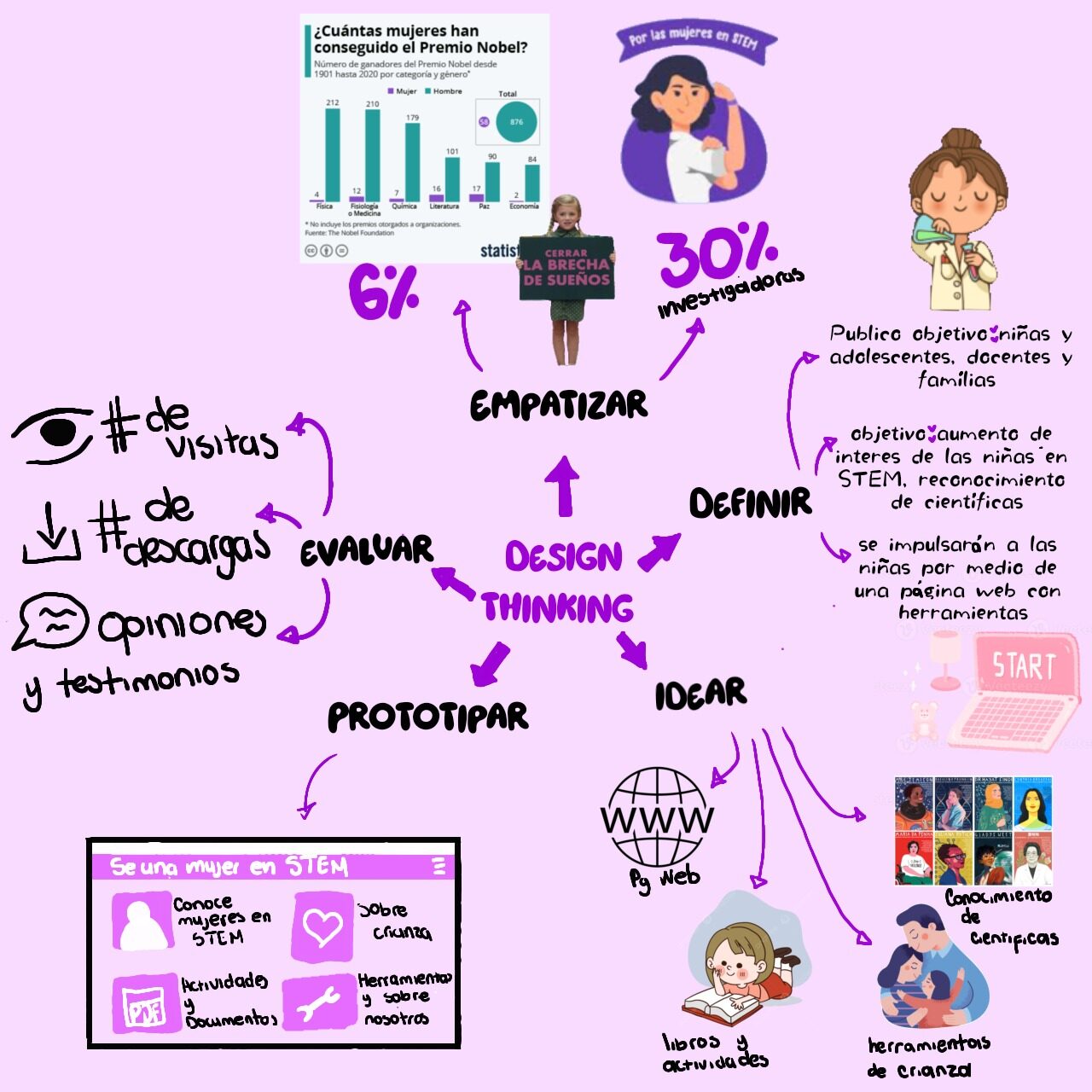
1. Venus Ojeda (Level N) – “More Women in Science: One Click at a Time”
With a highly relevant and sensitive proposal, Venus developed an interactive website to encourage girls’ and young women’s participation in STEM (Science, Technology, Engineering, and Mathematics) fields. The project not only has solid technical foundations, but it also addresses a pressing need: the gender gap in science.
The site includes informative content, biographies of overlooked women scientists, educational games, and resources for growers (teachers), all within an accessible and appealing aesthetic. Most notably, it was tested with real girls and refined based on their feedback — a truly empathetic, user-focused approach.
Venus didn’t just create a digital product — she cultivated a network of inspiration. Every click on her site is a step towards equity in science education.
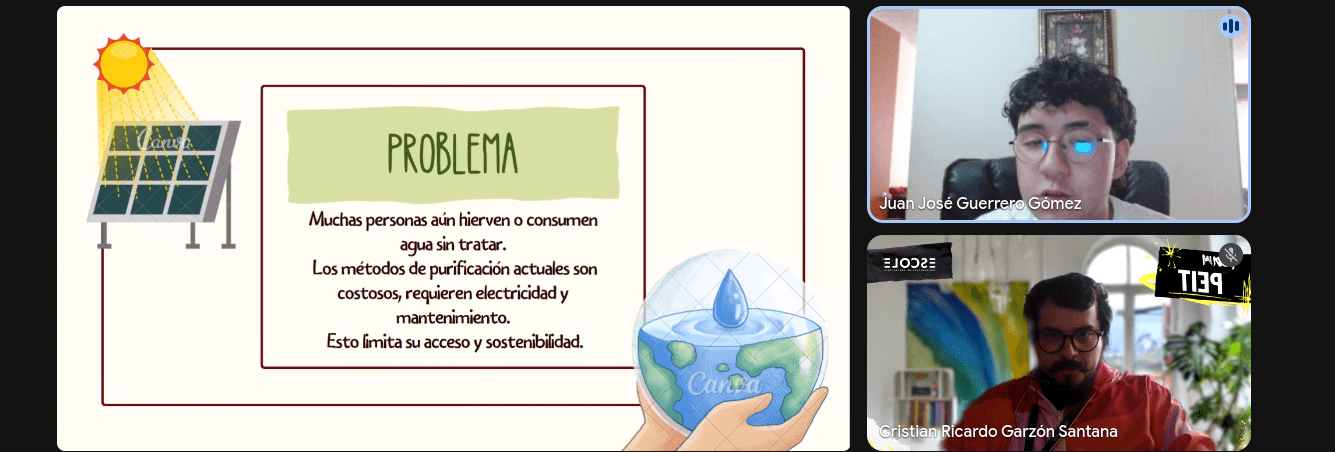
2. Juan José Guerrero (Level N) – “Science that Purifies, Innovation that Transforms”
Juan José’s project exemplifies how science can be accessible, useful, and transformative. His creation: a portable water filtration device with a pH reading system, designed for emergencies, rural areas, or institutions with limited access to clean water.
Its brilliance lies in its simplicity: low-cost materials, a straightforward design, and a signalling system indicating water pH. Juan José not only built the prototype but also tested it with various water sources and documented the results rigorously.
A gem of the MEC lab, this project blends scientific thinking, social awareness, and entrepreneurial vision. It’s a potential life-saving device — but above all, it proves that purposeful science can emerge from the school setting.
3. Thomas Cuervo (Level H) – “Simple Solutions for Everyday Problems”
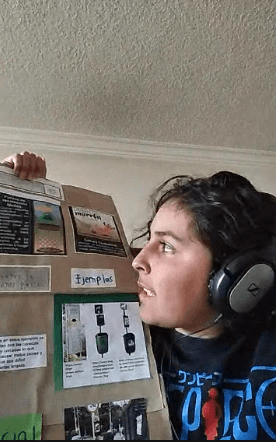
What makes the project shine is its environmental dimension: it promotes responsible pet ownership, cleaner public spaces, and reduction of single-use plastics, as it works with reusable bags too. Thomas went beyond the prototype: he studied local regulations, consulted veterinarians, and crafted a communication strategy for community implementation.
His project exemplifies how small ideas can have meaningful urban and cultural impact — and how schools can be the birthplace of real-world solutions.
4. Manuel Jerónimo Rivera (Level N) – “When Robotics Finds What’s Lost”
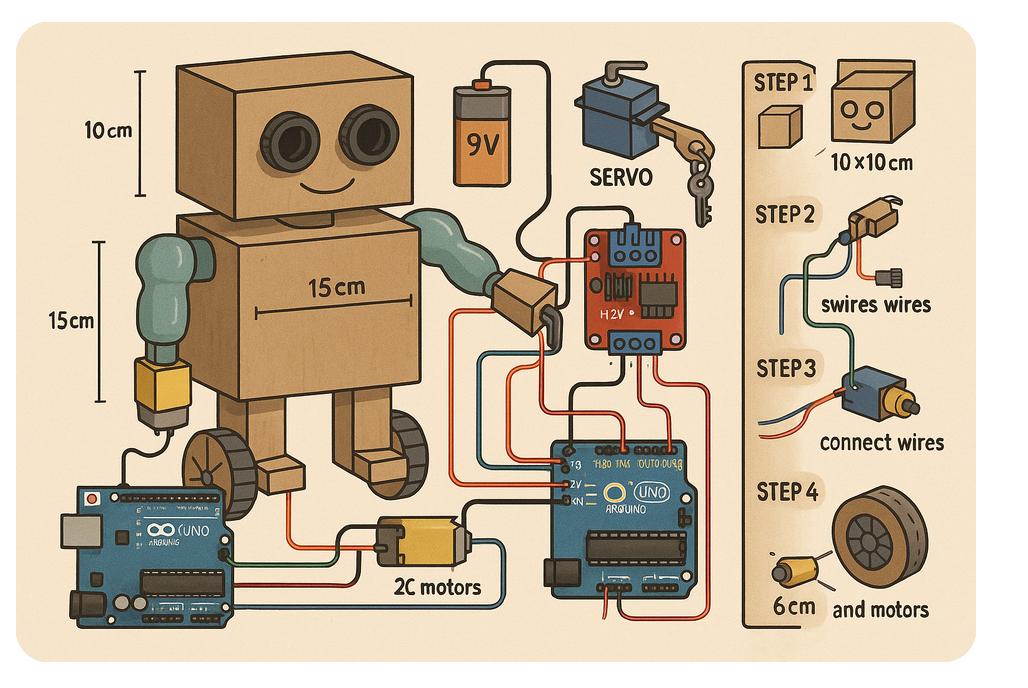
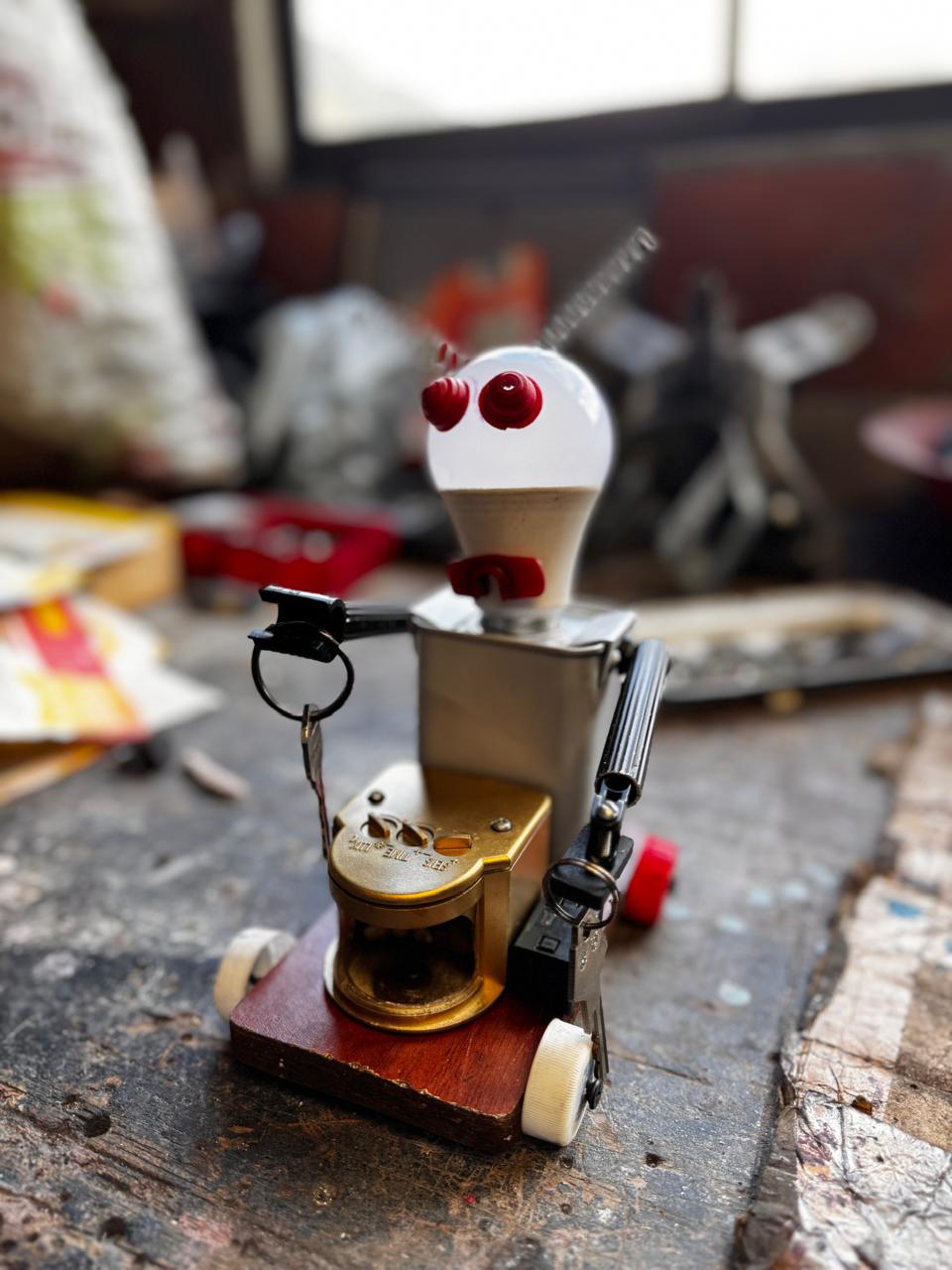
Manuel wowed everyone with a functional and clever solution: a small-item retrieval robot, designed to locate and transport misplaced objects like keys or remotes within the home.
Featuring motion sensors, programmed motors, and a 3D-printed frame, the robot was entirely designed, assembled, and tested by Manuel himself — who self-taught advanced electronics and programming skills to make it happen. The solution addresses not just daily nuisances but also the needs of elderly individuals or those with limited mobility.
His greatest achievement lies not only in the robot itself, but in the thoroughness of his process: from code to trials, every step was documented, creating a true case study for those dreaming of everyday robotics.
Because Learning Also Means Transforming
Renfort Up is far more than an innovative pedagogical initiative — it is a commitment to nurturing a new generation convinced that research, creativity, and collaboration can and must be used to drive social transformation.
By using phenomenon-based learning, genuine interdisciplinarity, and close mentorship, the programme enables seeds to move from being passive recipients of content to becoming creators of tangible, real-world solutions with impact in their lives and communities.
Because research is not just about answering questions — it’s about learning to ask the ones that truly matter.
And in Renfort Up, every question sown is a chance to change the world.
Written by: Team PEI, with support from Cristian Garzón
If you want to learn more about Renfort, register your details here